

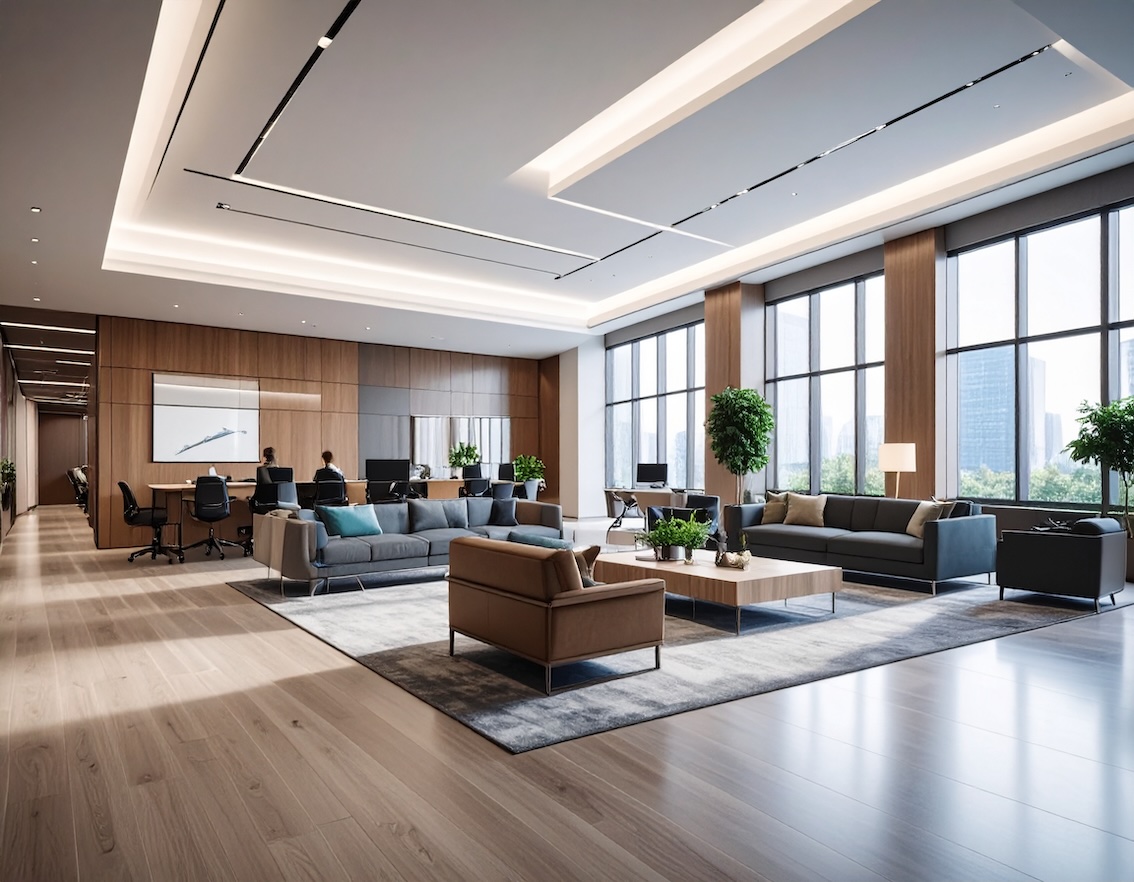
A successful office interior project begins long before furniture selection or design concepts. In 2026, organizations are treating workplace planning as a strategic business decision that directly impacts productivity, culture, talent retention, and future growth. A well-planned office is not simply designed for today—it is engineered for what comes next.
1. Define Business Behaviour Before Space Requirements
Instead of starting with square footage calculations, begin by understanding how teams actually work. Map collaboration patterns, meeting frequencies, client interactions, and focus-intensive tasks. This behavioural blueprint creates a workplace aligned with operational realities rather than assumptions.
2. Create a Growth-Based Space Framework
Many offices become outdated within a few years because they are designed around current headcount. Plan for projected growth, departmental expansion, and evolving work models. Flexible planning reduces future renovation costs and business disruption.
3. Audit Technology Infrastructure Early
Modern workplaces depend on seamless connectivity. Network requirements, video conferencing capabilities, smart meeting rooms, acoustic performance, and power distribution should be planned before design development begins, not after.
4. Establish Experience Zones, Not Just Departments
Forward-thinking offices are shifting from department-based layouts to experience-driven environments. Collaboration hubs, focus zones, informal meeting areas, and client-facing spaces create a more adaptable and engaging workplace ecosystem.
5. Build an Operational Continuity Plan
Interior projects often impact business operations. Define project phasing, move-in strategies, vendor coordination, and contingency plans early to minimize downtime and maintain productivity throughout the transition.
Looking Ahead
The most successful office interiors begin with strategic planning rather than aesthetics alone. Organizations that invest time in understanding future growth, technology integration, and workplace behaviour create environments that remain relevant, efficient, and high-performing for years to come.
 Chat with us now!
