

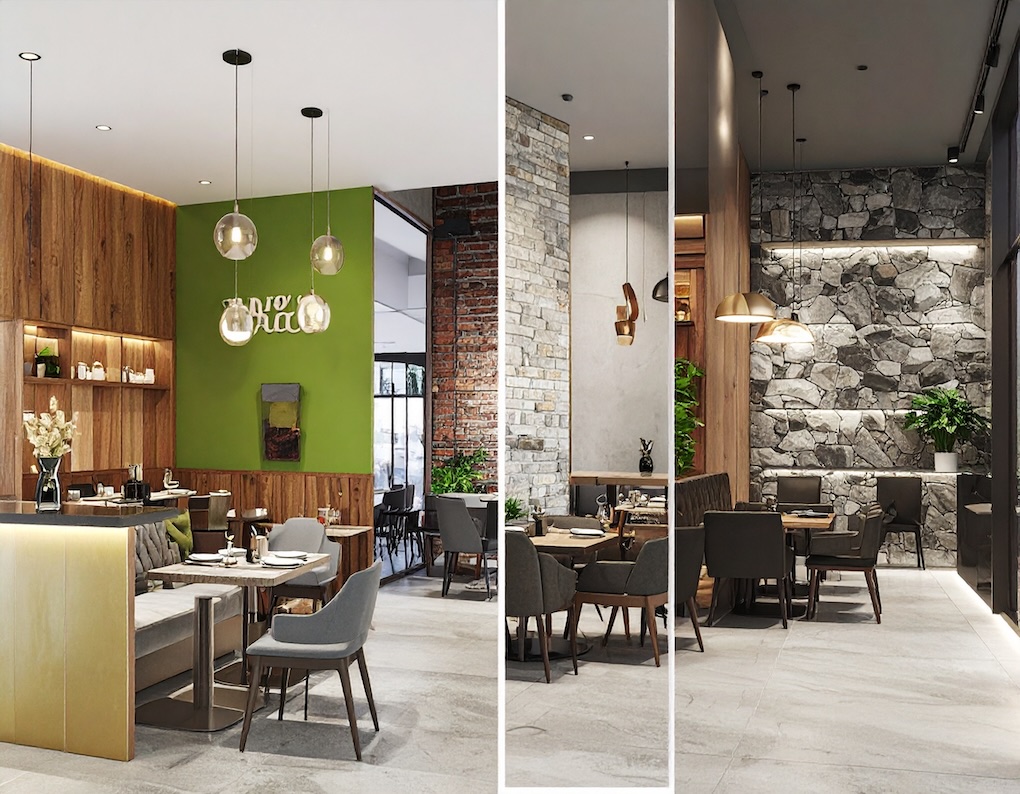
As restaurant brands expand into multiple locations, maintaining a recognizable identity becomes increasingly important. In 2026, successful hospitality brands are moving beyond simply replicating interiors. Instead, they are creating adaptable design systems that preserve brand recognition while responding to local contexts, customer expectations, and operational requirements.
1. Establishing a Design DNA Rather Than a Design Template
The most successful restaurant chains define a core design language—materials, lighting philosophy, spatial hierarchy, and customer journey—rather than copying identical layouts. This approach allows each location to feel familiar without appearing repetitive.
2. Creating Signature “Memory Points”
High-performing hospitality brands strategically integrate signature design moments that customers instantly associate with the brand. Feature bars, open kitchens, custom lighting installations, or branded material palettes become visual anchors across every location.
3. Standardizing Guest Experience Touchpoints
Brand consistency extends beyond aesthetics. Queue management zones, table spacing, acoustic comfort, and service flow should deliver a predictable customer experience regardless of location, strengthening customer trust and loyalty.
4. Designing for Local Relevance Without Brand Dilution
Modern restaurant brands are incorporating subtle regional influences through artwork, textures, and cultural references while maintaining core brand elements. This balance creates authenticity without compromising brand identity.
5. Developing Scalable Design Playbooks
Leading hospitality operators now utilize detailed design standards that include furniture specifications, lighting ratios, signage placement, and spatial planning guidelines. These playbooks accelerate expansion while ensuring consistency across future outlets.
Looking Ahead
The future of multi-location restaurant design lies in balancing standardization with adaptability. Brands that create a recognizable design ecosystem—not just identical interiors—build stronger customer recall, operational efficiency, and long-term market presence across diverse locations.
 Chat with us now!
