

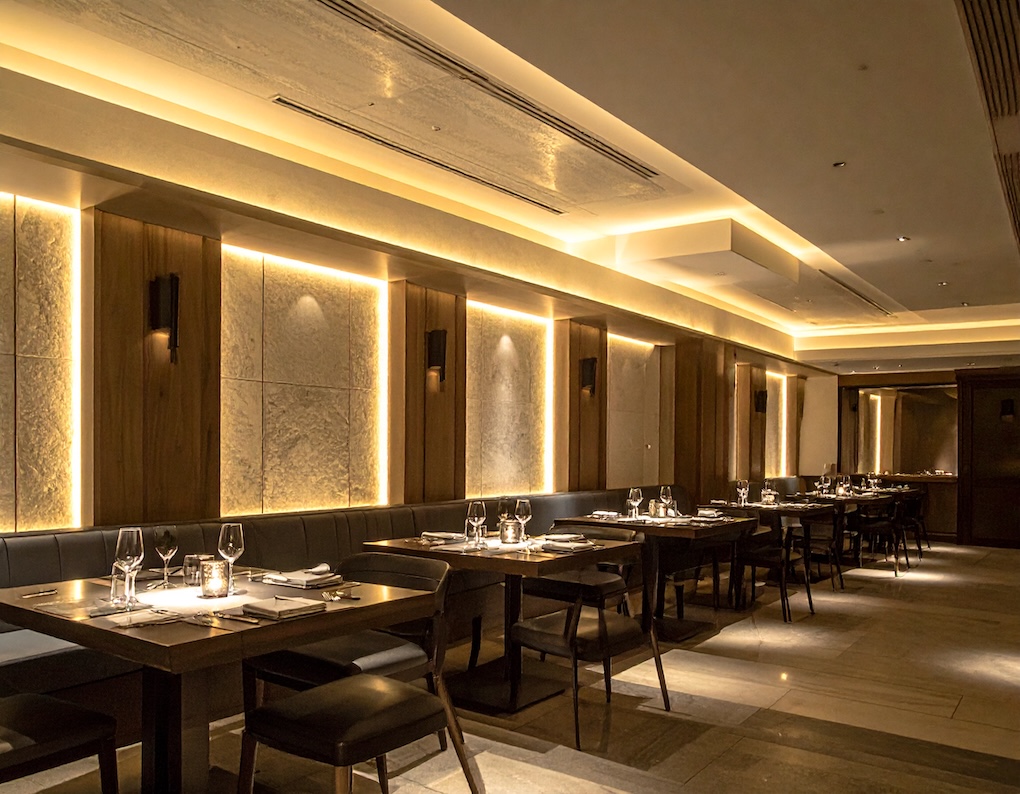
Lighting is one of the most influential yet overlooked elements in fine dining restaurant design. In 2026, premium hospitality spaces are using lighting not merely for visibility but to shape perception, enhance guest comfort, and elevate the overall dining experience. The focus has shifted from decorative fixtures to carefully orchestrated lighting strategies that influence customer behavior and brand perception.
1. Layered Illumination for Spatial Hierarchy
Successful fine dining environments use multiple lighting layers to define different zones within the restaurant. Entrance areas, circulation paths, dining tables, and feature elements are illuminated differently to create depth, visual interest, and intuitive wayfinding.
2. Table-Centric Lighting Strategies
Rather than evenly illuminating an entire room, designers are increasingly focusing light directly onto dining surfaces. This approach enhances food presentation, creates intimacy, and visually separates individual dining experiences from the surrounding environment.
3. Contrast as a Hospitality Tool
Premium restaurants often use controlled contrast between illuminated tables and darker backgrounds. This technique draws attention to guests and cuisine while creating a sense of exclusivity and visual drama.
4. Material Interaction and Reflection Control
Lighting design increasingly considers how light interacts with stone, metal, timber, glass, and textiles. Managing reflections, glare, and shadow quality helps create a refined atmosphere while enhancing the perception of material richness.
5. Adaptive Lighting Throughout Service Hours
Contemporary fine dining venues are moving toward dynamic lighting systems that evolve throughout the evening. Subtle adjustments in intensity and warmth help maintain atmosphere while supporting changing operational requirements.
Looking Ahead
The most successful fine dining restaurants balance aesthetics, comfort, and functionality through thoughtful lighting design. Hospitality businesses that invest in strategic illumination are creating memorable dining experiences that strengthen brand identity, enhance customer satisfaction, and encourage repeat visits. In modern restaurant design, lighting has become a critical component of the guest experience rather than a finishing detail.
 Chat with us now!
