

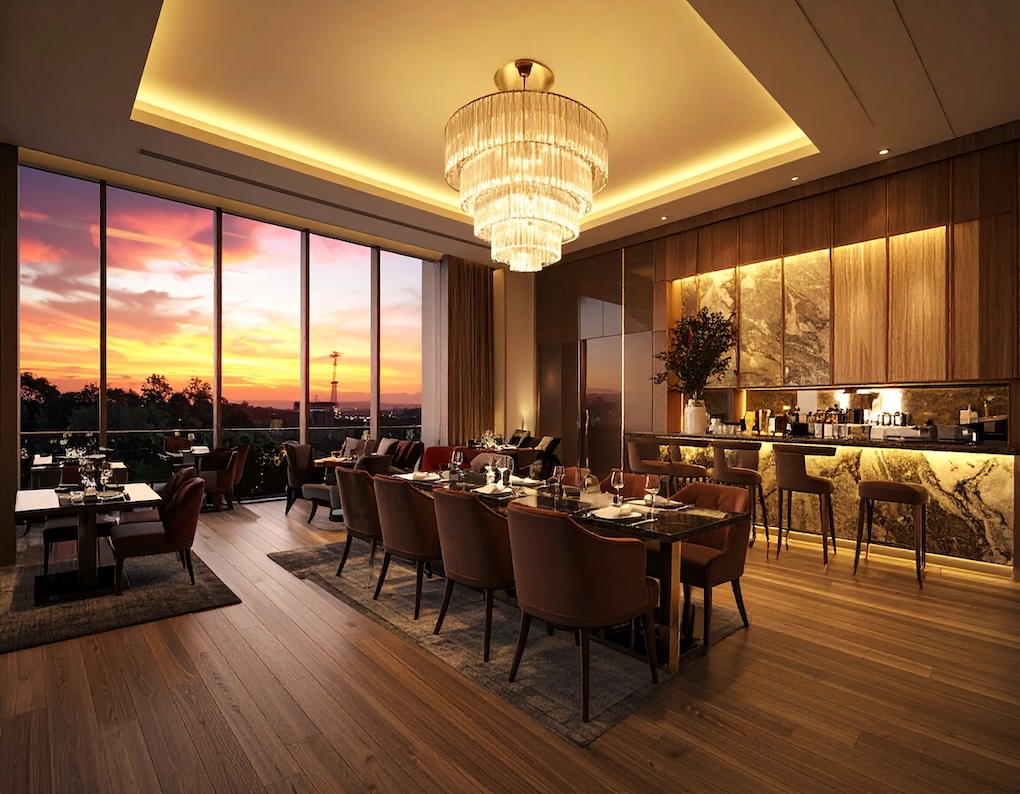
In hospitality design, lighting is no longer a static feature—it is an experience-shaping tool that influences atmosphere, guest perception, and commercial performance. As hospitality venues compete to create memorable environments, dynamic lighting has emerged as a key strategy for adapting spaces throughout the day. The focus is shifting from illumination alone to creating lighting experiences that evolve with changing guest expectations and operational needs.
1. Designing for the Transition Hours
The most compelling hospitality environments are often experienced during sunrise, sunset, and evening transitions. Dynamic lighting systems can gradually adjust brightness and color temperature to mirror natural daylight cycles, creating a seamless shift in ambiance rather than an abrupt change between daytime and nighttime settings.
2. Revenue-Driven Lighting Zones
Lighting is increasingly being used to support business objectives. Brighter, energetic environments encourage activity during breakfast and lunch services, while warmer, intimate lighting scenes help extend guest dwell time during evenings, often contributing to increased food and beverage spending.
3. Highlighting Materials as the Day Changes
Natural stone, timber, textured surfaces, and metallic finishes reveal different visual qualities under varying light conditions. Dynamic lighting allows designers to showcase evolving layers of material richness throughout the day, ensuring interiors remain visually engaging from morning through late evening.
4. Event-Ready Without Physical Renovation
Modern hospitality venues often host multiple experiences within the same space. Programmable lighting systems enable seamless transitions from café environments to cocktail lounges, private dining settings, or corporate events without requiring physical modifications to the interior.
5. Circadian Hospitality: Matching Guest Energy Levels
Leading hospitality brands are beginning to incorporate circadian-inspired lighting strategies that align with human biological rhythms. Cooler, brighter lighting can support alertness during the day, while warmer evening settings encourage relaxation and comfort. This subtle approach enhances guest wellbeing while creating environments that feel naturally intuitive.
Looking Ahead
The future of hospitality lighting lies in adaptability. Venues that successfully choreograph light throughout the day create stronger emotional connections, elevate brand perception, and deliver guest experiences that feel effortless. Dynamic lighting is no longer simply a technical feature—it has become an essential component of modern hospitality design.

 Chat with us now!
