

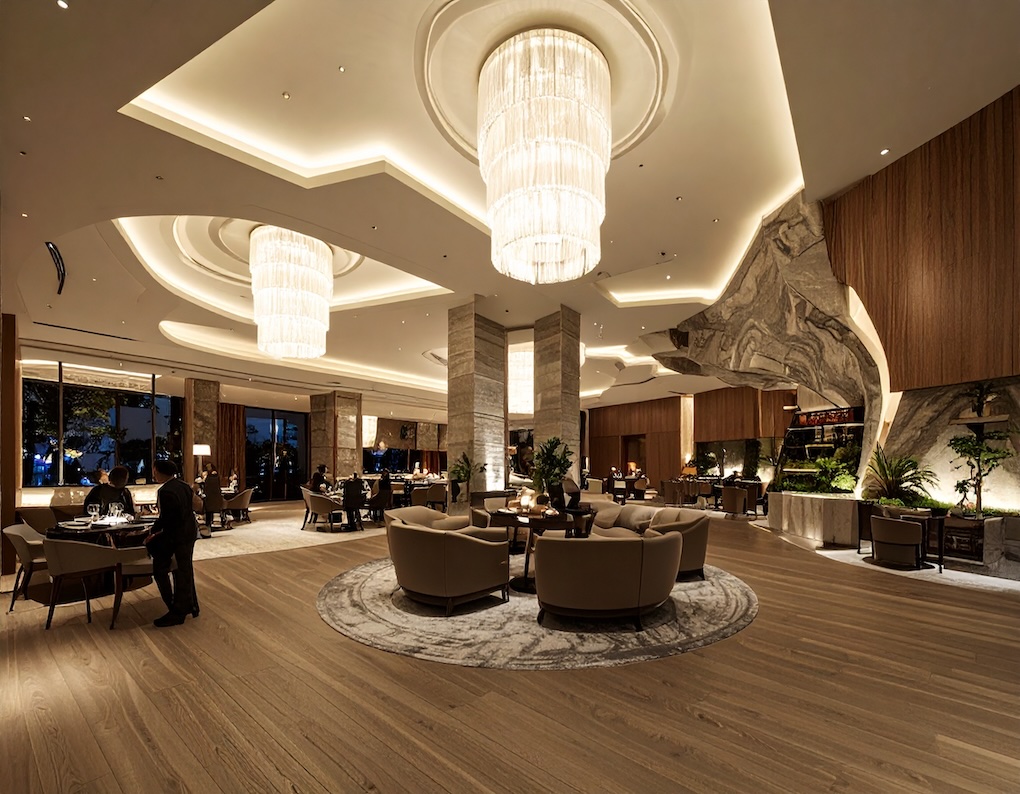
In luxury dining, pricing is influenced by far more than ingredients and culinary expertise. The most successful high-end restaurants strategically use interior design to shape perception, create exclusivity, and justify premium menu pricing. Today’s guests are paying for an experience, and design plays a critical role in defining its value.
1. Designing for Psychological Exclusivity
Premium restaurants carefully control visual access. Layered entrances, semi-private seating zones, and carefully framed sightlines create a sense of discovery. When every table does not reveal itself immediately, guests perceive the experience as more curated and exclusive.
2. Material Storytelling Over Material Cost
Luxury is increasingly communicated through authenticity rather than extravagance. Hand-finished stone, locally crafted timber, textured plaster, and artisanal detailing create a narrative that guests associate with craftsmanship, allowing restaurants to command higher perceived value.
3. Acoustic Luxury as a Revenue Strategy
High-end venues invest heavily in sound absorption, ceiling treatments, and spatial zoning. Comfortable conversation without competing noise enhances guest satisfaction and encourages longer dining experiences, supporting premium pricing and higher average spend.
4. The Choreography of Service Visibility
The best restaurants design spaces that reveal service only when necessary. Hidden service corridors, discreet waiter stations, and seamless circulation create an effortless guest experience that feels inherently luxurious.
5. Memory-Driven Design Moments
Rather than designing every corner for attention, premium restaurants create one or two unforgettable visual moments—a dramatic wine display, sculptural lighting installation, or signature chef’s counter. These become shareable brand assets that elevate perceived value far beyond the meal itself.
Looking Ahead
As luxury dining evolves, the most profitable restaurants will be those that use design not merely as decoration, but as a strategic tool that influences perception, enhances exclusivity, and transforms hospitality into a premium, memorable experience.
 Chat with us now!
