

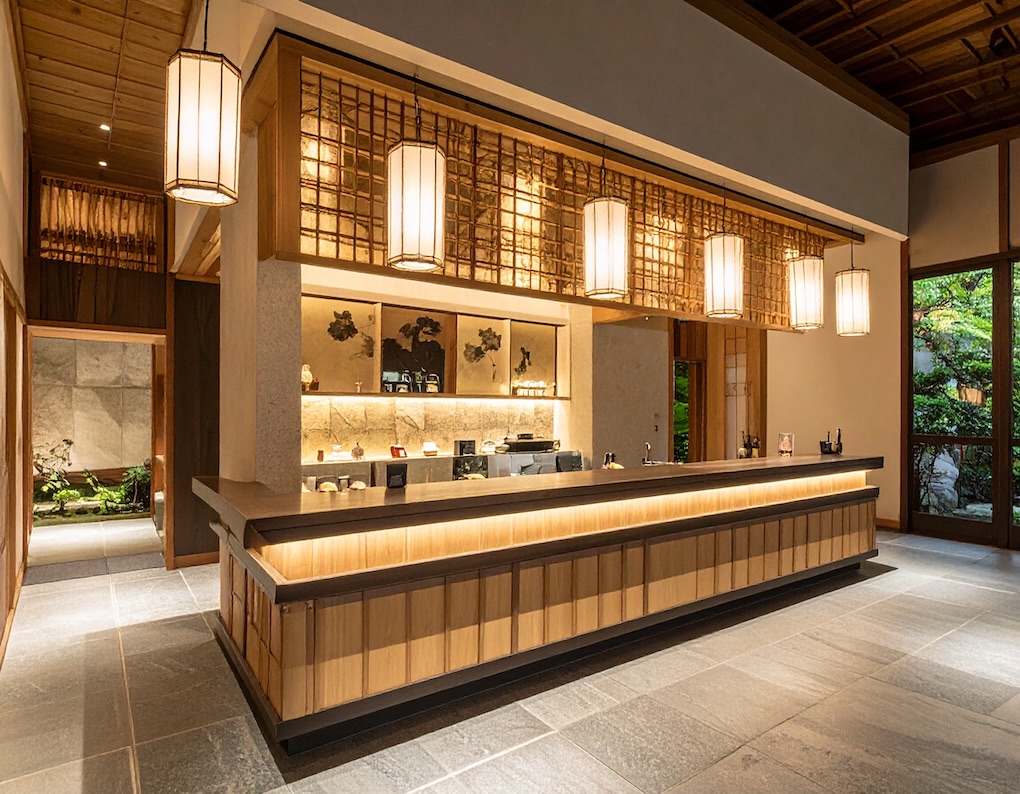
Japanese restaurant interior design is evolving beyond visual appeal to create immersive dining experiences rooted in culture, craftsmanship, and hospitality. In 2026, successful restaurant environments are not simply inspired by Japanese aesthetics—they are thoughtfully designed to communicate authenticity, enhance guest engagement, and strengthen brand differentiation. The focus has shifted from decoration to experience-driven spatial storytelling.
1. Spatial Sequencing Inspired by Japanese Hospitality
Traditional Japanese hospitality emphasizes the guest journey. Modern restaurants are carefully choreographing transitions from entrance to dining area, using layered spaces, framed views, and subtle thresholds that create anticipation and a sense of arrival.
2. Material Authenticity Over Visual Replication
Rather than relying on stereotypical Japanese décor elements, designers are prioritizing natural timber, textured stone, handcrafted finishes, and honest material expression. These choices create a deeper sense of authenticity while supporting timeless restaurant design.
3. Counter-Centric Dining Experiences
Open sushi counters, robata grills, and chef interaction zones are becoming central design features. These spaces transform food preparation into part of the guest experience, fostering transparency, trust, and engagement.
4. Acoustic Minimalism and Sensory Comfort
Japanese-inspired interiors increasingly focus on sound management as a design tool. Carefully controlled acoustics, soft material palettes, and balanced lighting contribute to a calm, intimate atmosphere that enhances the dining experience.
5. Story-Driven Cultural References
Contemporary Japanese restaurants are moving beyond thematic design. Subtle references to regional craftsmanship, traditional joinery, local art forms, and cultural narratives help create unique identities while avoiding predictable visual clichés.
Looking Ahead
The most successful Japanese restaurants balance authenticity, functionality, and emotional connection. Restaurants that invest in experience-focused interior design are creating memorable dining environments that strengthen customer loyalty, elevate brand perception, and deliver a genuine sense of place beyond the meal itself.
 Chat with us now!
