

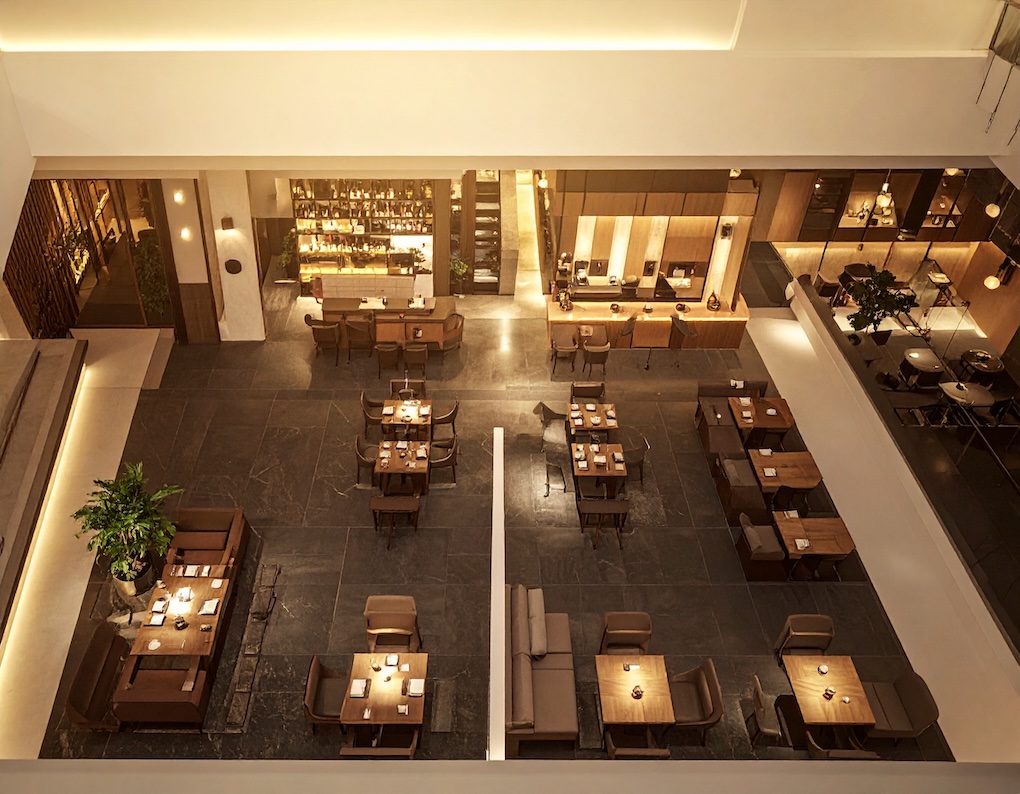
Restaurant success is influenced by far more than food quality and service. In 2026, strategic restaurant layout planning has become a critical business tool that directly impacts operational efficiency, customer dwell time, revenue per square foot, and staff productivity. The most successful hospitality brands are treating layout design as a performance asset rather than a spatial exercise.
1. Revenue-Zone Mapping
Leading restaurants are identifying high-value seating zones based on visibility, circulation patterns, and guest behavior. Premium tables near focal points, curated views, or experiential elements consistently achieve higher occupancy rates and average spend.
2. Kitchen-to-Table Efficiency Corridors
Modern layouts focus on minimizing unnecessary staff movement through optimized service routes. Reducing travel distance between preparation stations, pass counters, and dining areas improves service speed while lowering operational fatigue during peak hours.
3. Acoustic Zoning for Different Dining Behaviors
Restaurants are increasingly creating micro-environments within a single venue. Social dining zones, intimate seating areas, and business-meeting corners are strategically positioned using materials and layouts that control sound without compromising openness.
4. Experience Sequencing Through Spatial Design
The guest journey now begins before the first meal is served. Entry transitions, waiting lounges, feature displays, and visual sightlines are carefully planned to create anticipation and strengthen brand recall throughout the dining experience.
5. Flexible Layouts for Changing Revenue Models
With dine-in, delivery, takeaway, and private events operating simultaneously, adaptable layouts are becoming essential. Convertible seating arrangements and dedicated pickup zones allow restaurants to maximize profitability without disrupting guest comfort.
Looking Ahead
The future of restaurant design lies in layouts that balance operational intelligence with memorable guest experiences. Businesses that invest in data-driven restaurant layout planning are creating spaces that improve efficiency, increase revenue potential, and strengthen long-term customer loyalty. Strategic planning is no longer a design consideration—it is a competitive advantage.
 Chat with us now!
