

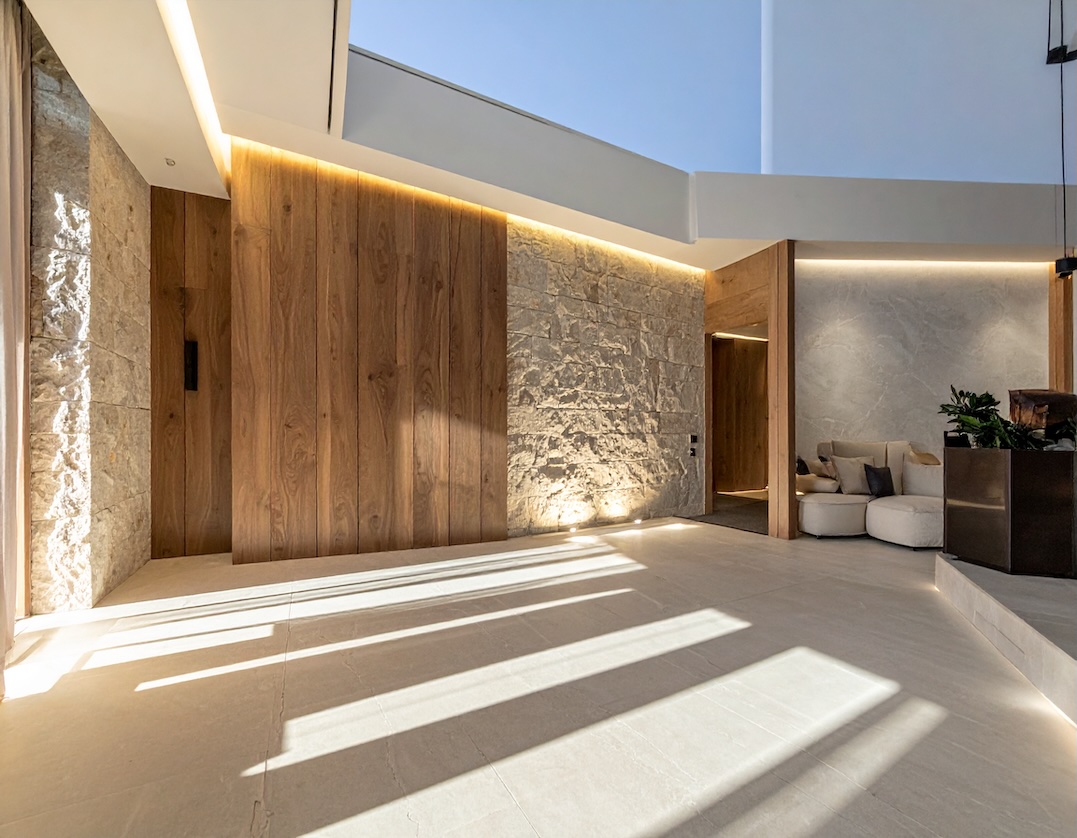
When people think about lighting design, they often focus on brightness. Yet the most memorable interiors are rarely the brightest. They are the spaces where light and shadow work together to create depth, atmosphere, and emotional resonance. In luxury residential design, shadow is not a flaw to eliminate—it is a design tool to be carefully composed.
1. Creating Visual Depth
Uniform lighting can flatten a space, making even premium interiors feel uninspiring. Strategic shadows introduce layers and dimension, allowing architectural details, textures, and materials to reveal themselves gradually rather than all at once.
2. Highlighting Material Character
Natural stone, textured plaster, fluted wood, and handcrafted finishes respond differently to light. Grazing light across these surfaces creates subtle shadows that emphasize craftsmanship and material authenticity, bringing richness that cannot be achieved through brightness alone.
3. Designing with Contrast
Luxury is often found in restraint. Thoughtful contrast between illuminated and shaded areas guides the eye, establishes focal points, and creates a sense of hierarchy within a room. The result is an environment that feels curated rather than overlit.
4. Supporting Circadian Comfort
Human eyes are not designed for constant uniform illumination. Spaces with varying light intensities feel more natural and comfortable, reducing visual fatigue while creating a calmer and more immersive experience throughout the day.
5. Crafting Atmosphere
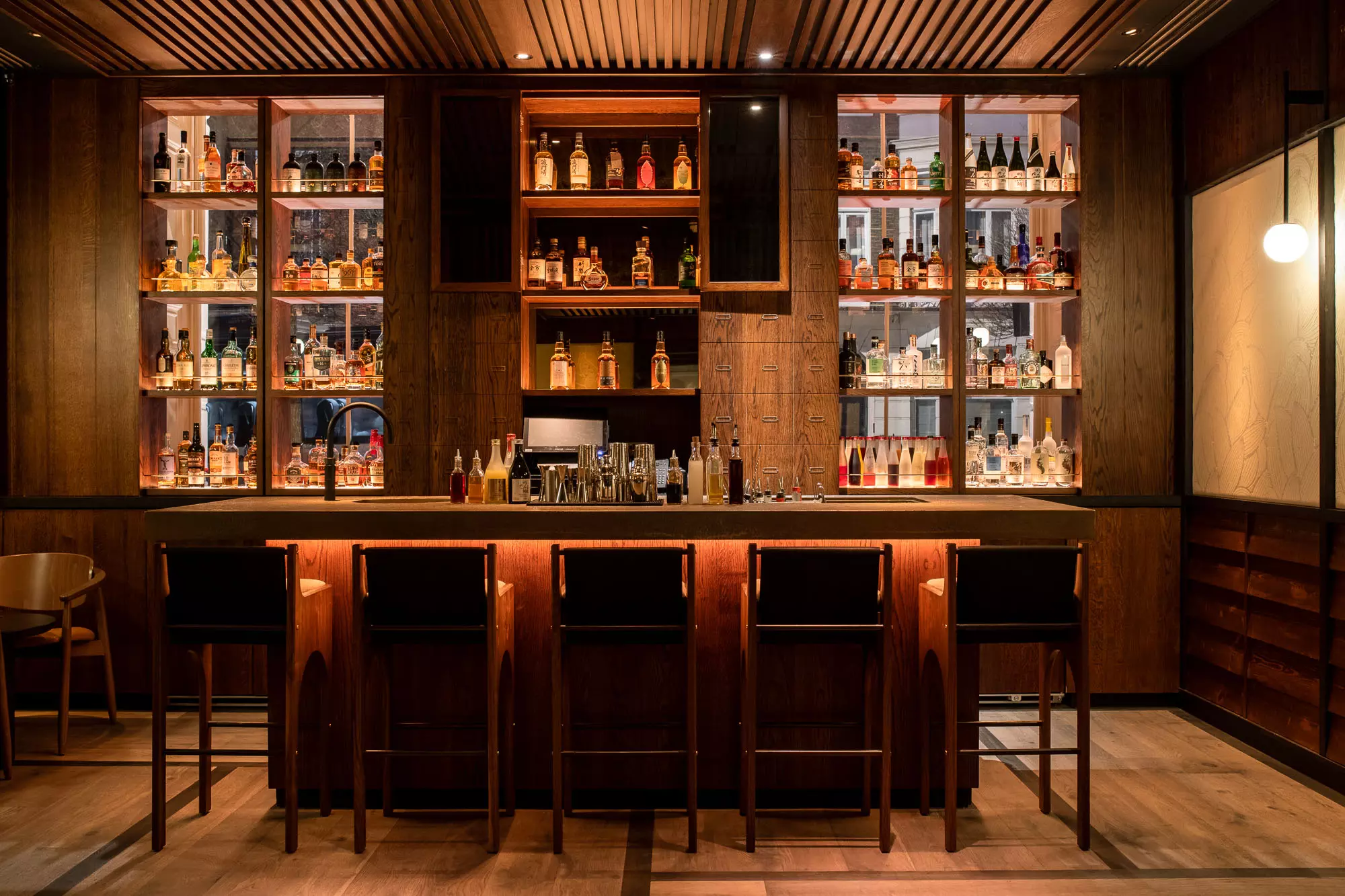
The world’s finest hospitality spaces rarely rely on maximum brightness. Instead, they use controlled shadow to create intimacy, warmth, and sophistication. Residential interiors are increasingly adopting this approach to make homes feel more inviting and emotionally engaging.
Looking Ahead
The future of lighting design is not about adding more light—it is about shaping it with intention. The most successful interiors understand that shadow is not the absence of light; it is what gives light its meaning.


 Chat with us now!
