

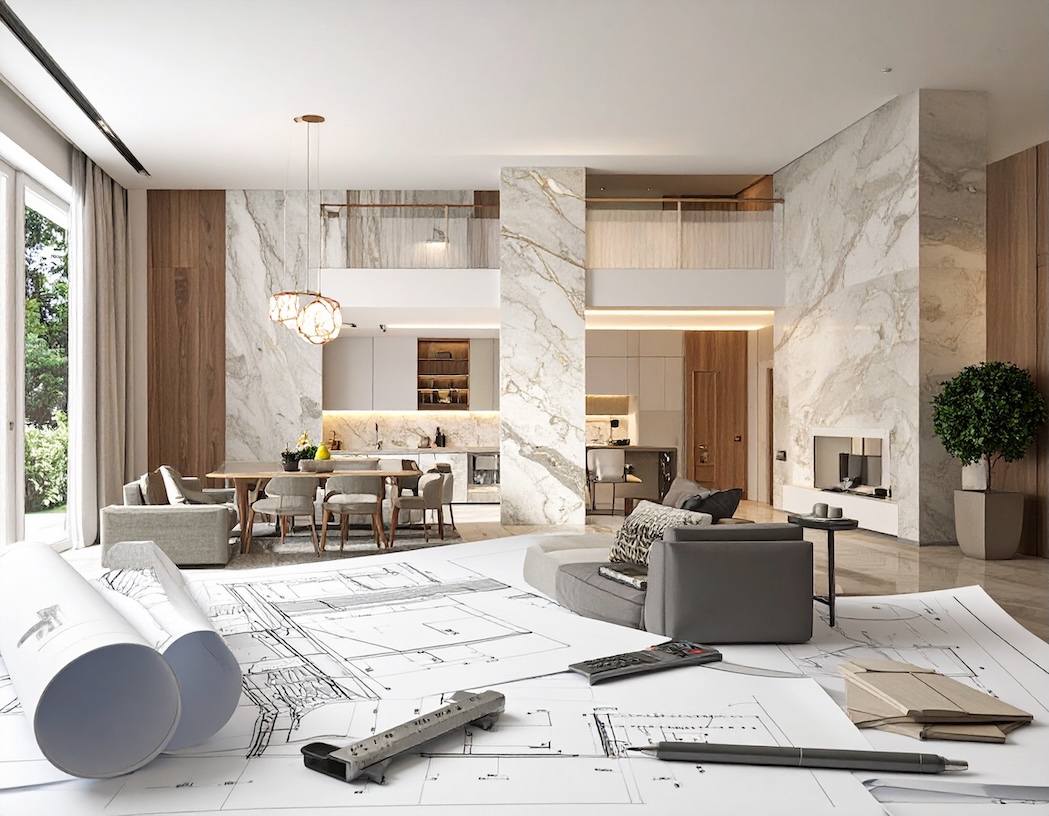
Turnkey interior design has become the preferred choice for homeowners, businesses, and developers seeking a seamless project experience. By consolidating design, procurement, execution, and project management under one umbrella, turnkey solutions simplify the journey from concept to completion. However, understanding exactly what is included—and what may fall outside the scope—is essential for making informed investment decisions.
1. Design Development and Technical Planning
A comprehensive turnkey package typically begins long before execution starts. Space planning, design concepts, material specifications, technical drawings, joinery details, and coordination drawings form the foundation of a successful project. These planning stages often represent significant value, yet they are frequently overlooked when comparing quotations.
2. Execution Works Beyond Furniture
Many clients associate turnkey interiors primarily with cabinetry and furniture. In reality, turnkey costs often include civil modifications, electrical reconfiguration, plumbing adjustments, false ceilings, painting, flooring upgrades, lighting implementation, and site coordination. These integrated works ensure that every design element functions cohesively rather than as isolated installations.
3. Procurement, Vendor Management, and Quality Control
One of the less visible aspects of turnkey pricing is procurement management. Vendor negotiations, factory inspections, material sourcing, logistics coordination, and quality checks require considerable expertise and time. Effective procurement reduces project delays while ensuring consistency across finishes and installations.
4. What Is Commonly Excluded
Premium loose furniture, artwork, decorative accessories, branded appliances, smart automation systems, and imported specialty products are often excluded from standard turnkey packages. Approval fees, utility deposits, and structural alterations may also fall outside the quoted scope depending on project requirements.
5. The Importance of Scope Transparency
The biggest difference between two turnkey quotations is rarely the design—it is the scope definition. Detailed specifications, material standards, warranty provisions, and project management responsibilities can vary significantly. A lower quote may simply exclude critical components that appear later as additional costs.
Looking Ahead
The true value of a turnkey interior project lies not in the lowest price, but in the clarity of what is being delivered. A well-defined turnkey scope provides predictable budgets, streamlined execution, and accountability from start to finish. When evaluated correctly, turnkey interiors offer not only convenience but also greater control over quality, timelines, and long-term project success.
 Chat with us now!
