
Longevity as the First Sustainable Decision
Much of the discussion around sustainable interiors continues to focus on what is introduced into a space — materials, systems, and visible interventions. The philosophy that defines the work of Blucap Interiors begins at a more fundamental level: the expected lifespan of the environment itself. Longevity, for us, is not an eventual outcome of good design but the premise on which every decision is built.
Corporate offices are rarely dismantled because they fail structurally. They are replaced because they feel dated, inflexible, or no longer aligned with how people work. When an interior is conceived with long-term relevance in mind, the need for frequent renovation diminishes — and with it, the often overlooked environmental cost of repeated fit-outs.
Designing for Change Without Demolition
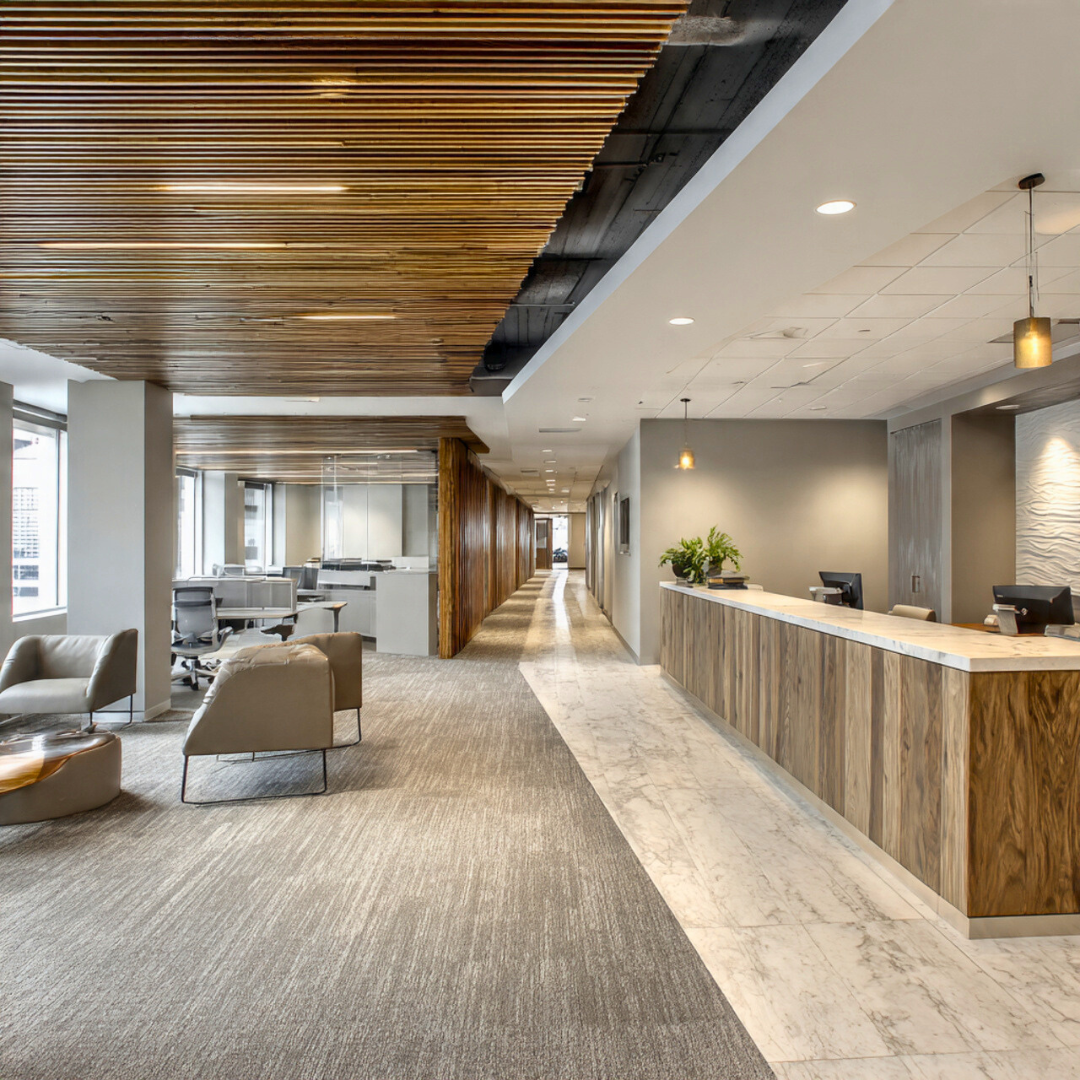
Change is inevitable in corporate environments. Teams grow, contract, reorganise; work cultures evolve in ways that cannot always be predicted. In projects shaped by Blucap Interiors, sustainability is addressed by creating spatial frameworks that accommodate evolution rather than resist it. Layouts are designed to recalibrate, zones to be reinterpreted, and proportions to remain comfortable across shifting densities.
Longevity emerges not from freezing a space in time, but from allowing it to adapt without destruction. When change is absorbed rather than erased and rebuilt, sustainability becomes inherent rather than reactive.
Restraint as a Long-Term Strategy
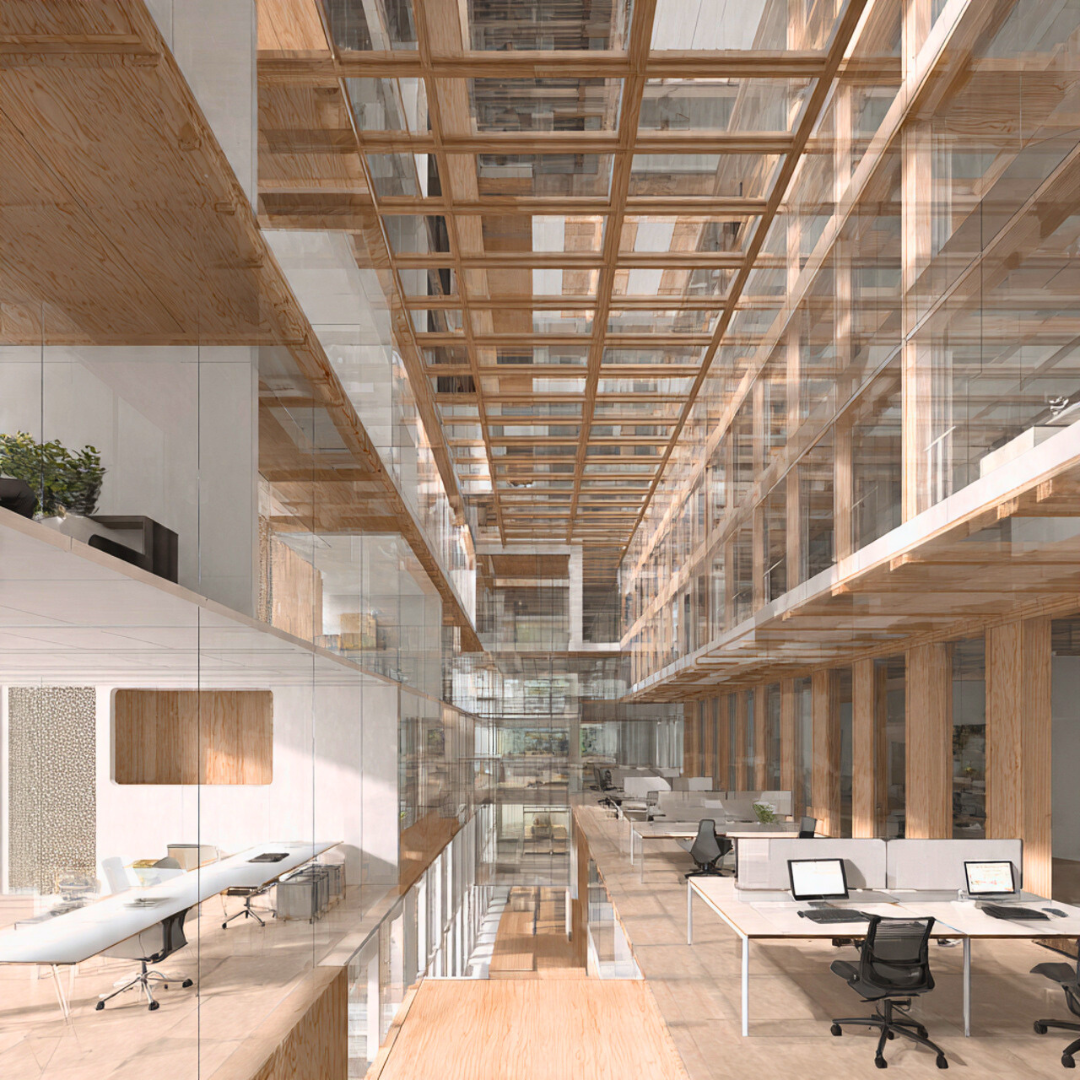
Restraint is often misunderstood as an aesthetic preference. In reality, it is a strategic position. The design approach practiced at Blucap Interiors favours deliberate editing — not to achieve minimalism, but to create patience within a space. Interiors burdened with excessive materials or trend-driven gestures tend to age quickly, inviting replacement rather than continuity.
By limiting material palettes and allowing each element to perform fully, spaces gain the ability to age with dignity. Restraint, in this context, does not reduce richness; it preserves it. Over time, it is restraint that allows an interior to remain relevant without demanding reinvention.
Maintenance Intelligence as Sustainable Practice
Sustainability reveals itself most clearly in daily use. Finishes that demand constant care or systems that require frequent replacement often undermine even the most well-intentioned design narratives. A key aspect of Blucap Interiors’ methodology is designing with operational reality firmly in view.
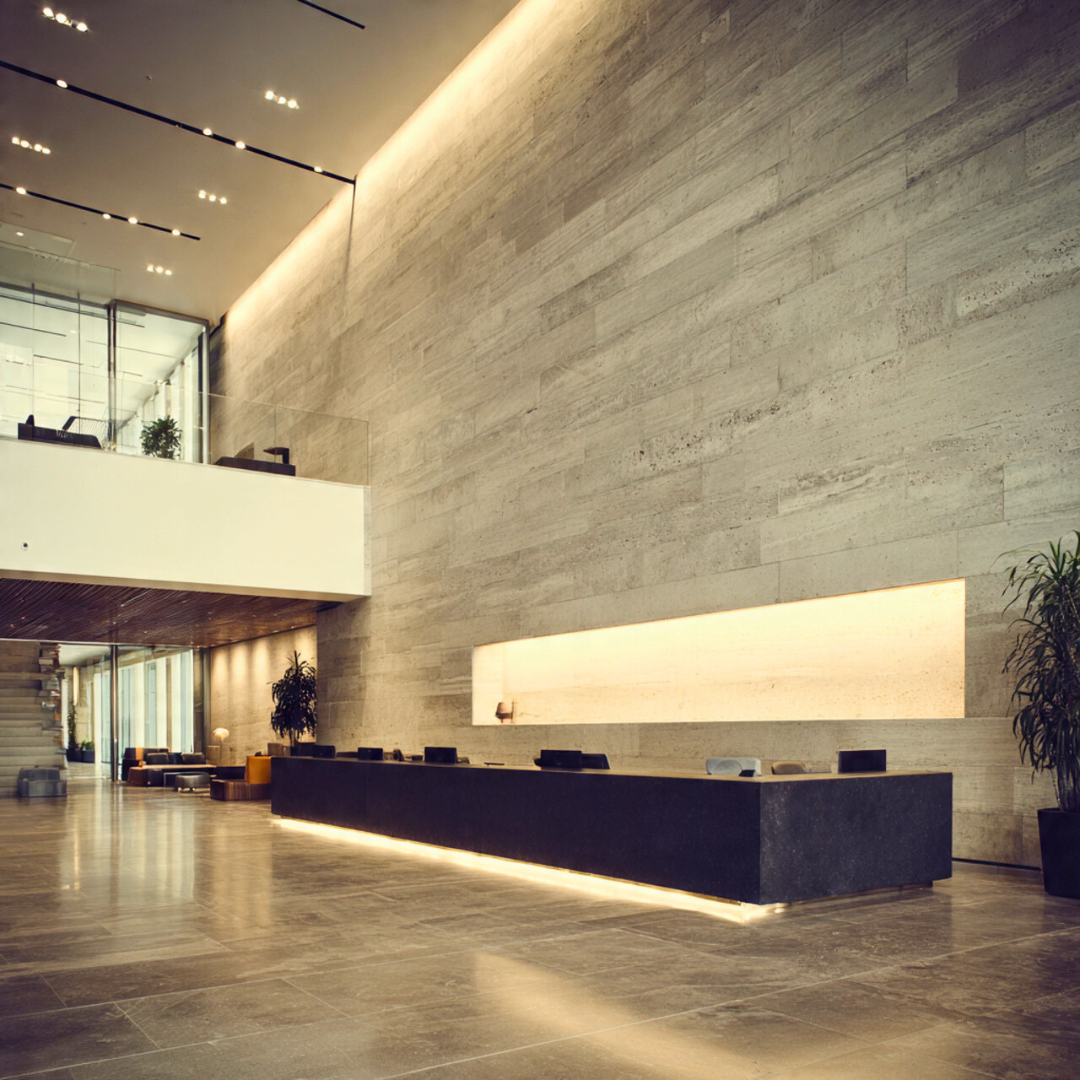
Material decisions are evaluated not only for appearance, but for how they perform over years of footfall, cleaning, and everyday wear. Longevity depends as much on maintenance intelligence as on initial design intent. A space that performs quietly over time is often the most sustainable of all.
Emotional Durability and the Desire to Keep a Space
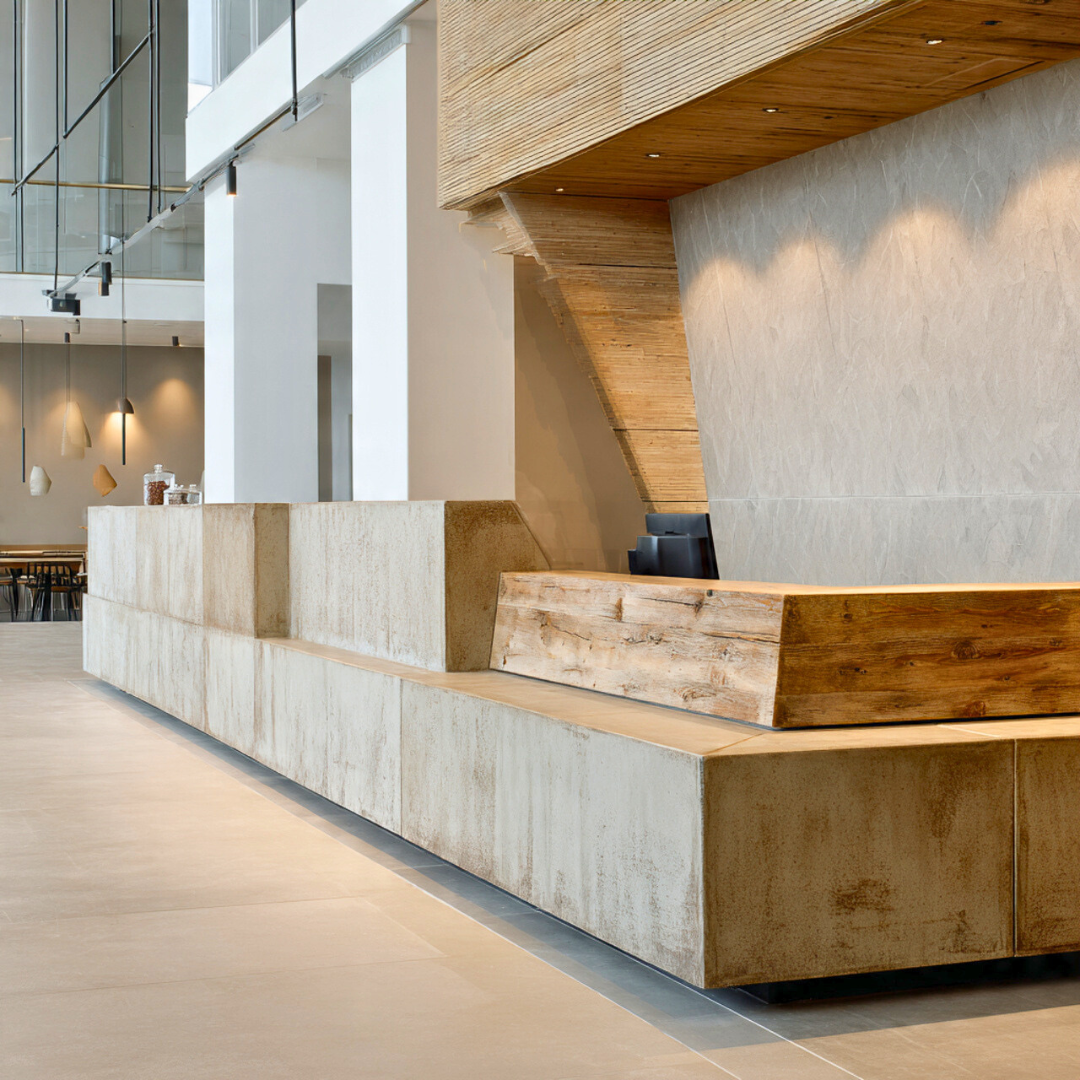
One of the least discussed dimensions of sustainability is emotional durability. Offices that feel intuitive, calm, and balanced are less likely to be rejected by their occupants. The work produced by Blucap Interiors places strong emphasis on this relationship between people and space, recognising that comfort and clarity reduce the impulse for unnecessary change.
Visual noise, aggressive theming, and over-branding tend to accelerate dissatisfaction. Spaces that allow work and culture to take precedence endure longer. When people feel at ease in an environment, they are more inclined to preserve it rather than replace it.
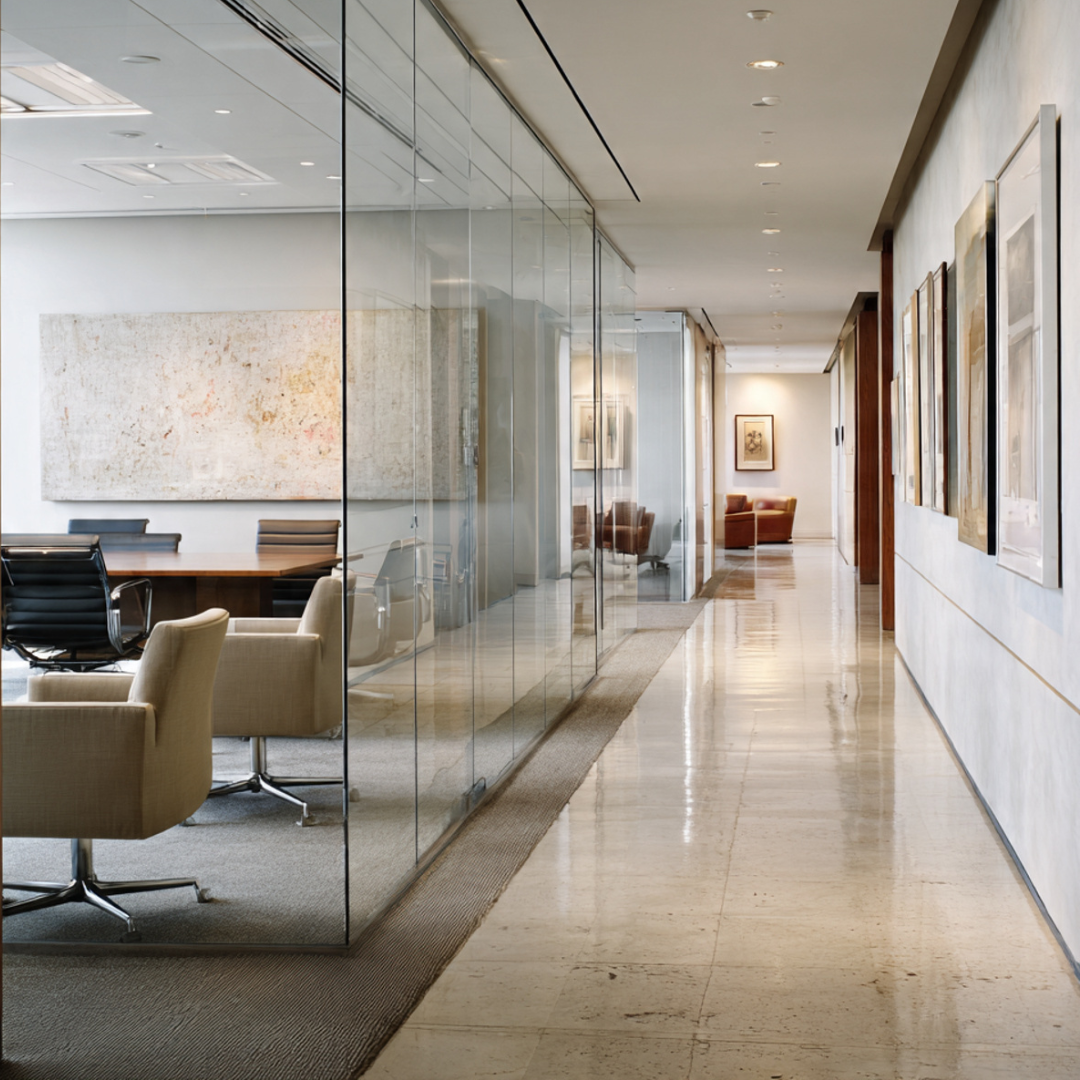
A Quieter, Longer View of Sustainability
Designing for longevity requires restraint, foresight, and a willingness to look beyond immediate impact. The sustainability ethos guiding Blucap Interiors is grounded in the belief that responsibility does not need to be loudly expressed to be deeply effective. It is embedded instead in proportions that remain relevant, materials that age honestly, and layouts that adapt without disruption.
The most sustainable corporate office is not the one that announces its intentions, but the one that continues to function, evolve, and belong — quietly and confidently — over many years. Longevity, in this sense, becomes sustainability’s most enduring expression.

 Chat with us now!
